
Commercial Kitchen Sanitation Services in Ontario
Bacteria multiply fast in commercial kitchens. E. coli, Salmonella, and Listeria spread quickly, and one outbreak can shut you down. You might be wondering how to stop that—commercial kitchen sanitation eliminates 99.9% of pathogens so you can protect customers and your business.
Sanitation That Goes Beyond Visible Clean
Your staff wipes down surfaces, but bacteria hide in cracks, under equipment, and in places daily cleaning can’t reach. Cross-contamination happens fast—a single surface can spread pathogens to hundreds of meals.
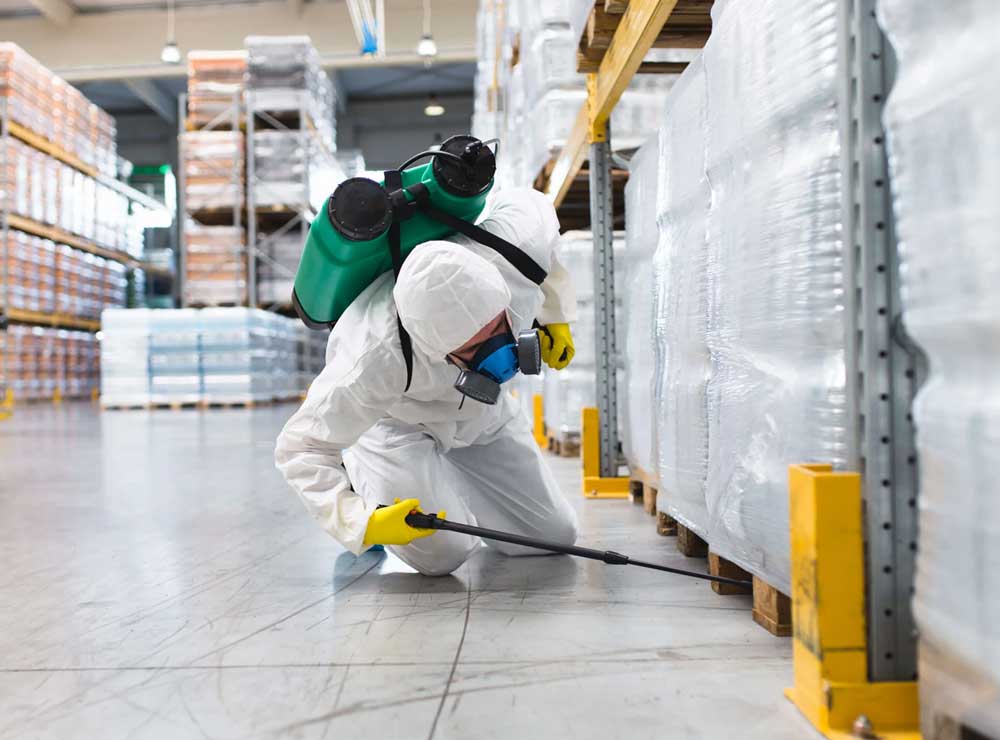
Power Hoods provides commercial kitchen sanitation using EPA-registered disinfectants that target foodborne pathogens. We don’t just clean surfaces—we eliminate bacteria, viruses, and other microorganisms. Every sanitation visit includes documentation for your health department records.
Complete Sanitation Coverage
- Food preparation surfaces (cutting boards, prep tables, counters)
- Cooking equipment (interior and exterior surfaces)
- Storage areas (shelving, dry storage, walk-ins)
- Refrigeration units (shelves, gaskets, handles)
- Floors, drains, and wall junctions
- High-touch surfaces (handles, switches, controls)
Why Professional Sanitation Protects Your Business
Foodborne illness outbreaks cost Ontario restaurants an average of $75,000 in direct costs, plus reputation damage that lasts years.
Eliminate Foodborne Pathogens
Professional sanitation kills 99.9% of bacteria, viruses, and fungi that cause foodborne illness. E. coli, Salmonella, Listeria, and Norovirus can’t survive proper sanitization. Daily cleaning reduces contamination; professional sanitation eliminates it.
- 99.9% pathogen elimination
- Prevent cross-contamination
Health Code Compliance
Ontario health inspectors test for contamination. Failed swab tests lower your score and can trigger mandatory closures. Regular professional sanitation helps your surfaces pass testing and keeps you compliant.
- Pass swab testing
- Maintain A+ health rating
Protect Your Reputation
One foodborne illness report can trigger news coverage, social media attention, and lasting reputation damage. No marketing can undo that harm. Professional sanitation helps prevent the kind of incident that ends businesses.
- Prevent illness outbreaks
- Protect customer trust
Healthier Staff, Fewer Sick Days
Kitchen staff get sick from the same pathogens that affect customers. A properly sanitized kitchen reduces staff illness, which means fewer call-outs and more consistent operations.
- Reduce staff illness
- Lower absenteeism costs
Our Sanitation Process
We sanitize in a clear sequence and document results for inspectors.
5
Step Process
Assessment
We evaluate your facility, identify high-risk areas, and develop a customized sanitation plan based on your operation type and volume.
Pre-Cleaning
Visible soil, grease, and debris are removed. Sanitizers work best on pre-cleaned surfaces—soil prevents contact with pathogens.
Sanitization
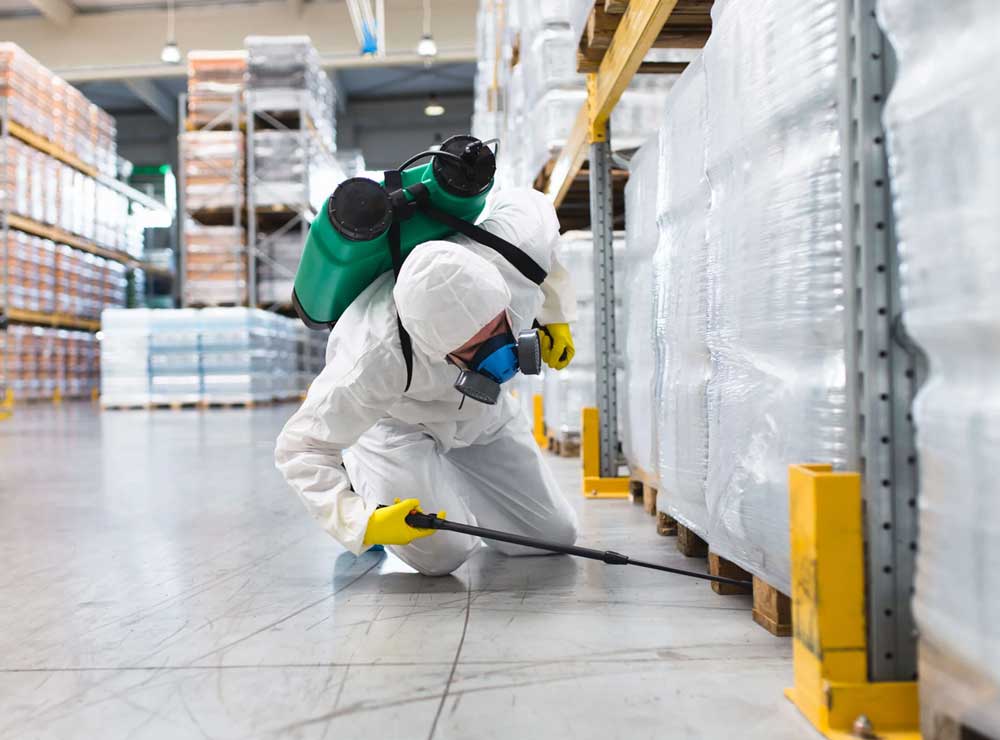
EPA-registered sanitizers are applied to all food-contact surfaces with proper dwell time. We use products approved for food service environments.
High-Risk Disinfection
Areas with elevated contamination risk receive additional treatment—drain areas, floor junctions, and equipment crevices where pathogens accumulate.
Documentation
Detailed service report listing products used, areas treated, and compliance certification—ready for health department inspection records.
Frequently Asked Questions
Industries We Serve
Sanitation services for commercial kitchens of all types
Protect Your Kitchen from Contamination
Get professional sanitation that eliminates 99.9% of pathogens. Health code compliant documentation included.