
Commercial Duct Cleaning Services in Ontario
Grease accumulates inside ductwork where you can’t see it, and fire can reach it. You might be wondering if ducts matter—they do, because duct fires spread fast and cause major damage. Commercial duct cleaning removes that hidden fuel from hood to rooftop.
The Hidden Fire Hazard in Your Walls
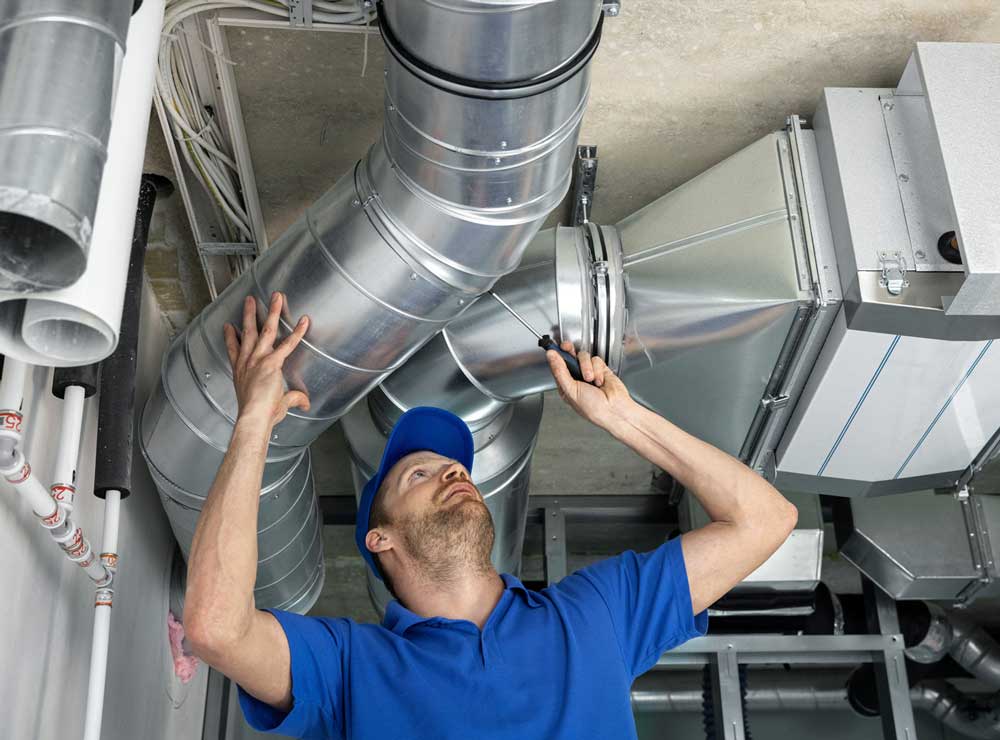
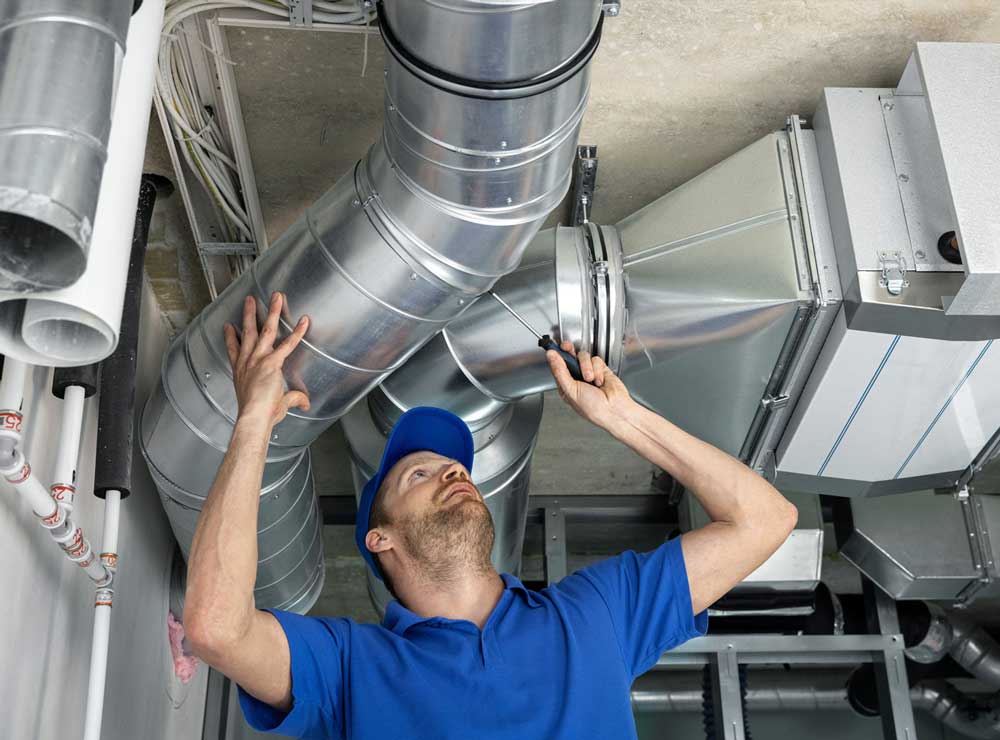
You clean your hood every shift, but what about the 20, 50, or 100 feet of ductwork that connects it to the roof? Grease vapor travels through that path and deposits along the way. Fire marshals and insurers look for that buildup.
Power Hoods provides commercial duct cleaning from the hood connection to the rooftop exhaust fan. We access every section through existing panels or install new access points. Mechanical scraping and pressure washing remove years of grease. The effect is clear: ductwork meets NFPA 96, and documentation supports your insurance.
Complete Ductwork Cleaning
- Horizontal exhaust runs (where grease settles)
- Vertical risers (full-length cleaning)
- Elbows and turns (high grease accumulation points)
- Duct connections and transitions
- Access panels (cleaning and resealing)
- Supply air ductwork (when needed)
Why Duct Cleaning Saves Your Business
Most kitchen fires that cause total losses involve ductwork. Clean ducts break the fire path.
Fire Prevention
Grease-laden ducts are fire highways. A flame can ignite duct grease, and fire races through walls to the roof. Regular duct cleaning removes the fuel.
- Eliminates grease fire path
- NFPA 96 compliance documented
Improved Exhaust Performance
Grease buildup restricts airflow. Your exhaust fans work harder but move less air. Clean ducts restore designed airflow capacity, which improves kitchen comfort and hood capture.
- Restored airflow capacity
- Lower exhaust fan energy use
Insurance & Code Compliance
Insurance policies require documented duct cleaning. Fire marshals inspect ductwork. Without proper records, claims get denied and operations get shut down. We provide full documentation.
- Before/after photo documentation
- Service certificates for records
Cleaner Kitchen Air
Dirty ducts spread contamination. Grease particles recirculate when exhaust flow is restricted. Clean ducts improve air quality and keep grease out of dining areas.
- Better kitchen air quality
- No grease odor transmission
Our Duct Cleaning Process
We open access, clean thoroughly, and document results for inspectors and insurers.
5
Step Process
System Inspection
We inspect your entire duct system—measuring grease levels, identifying access points, and noting any damage or modifications since last cleaning.
Access Preparation
We open all existing access panels. Where access doesn't exist, we install new panels to reach all sections of ductwork. Panels are properly sealed after cleaning.
Mechanical Scraping
Specialized rotating brushes and scrapers remove heavy grease deposits from duct walls. This is critical for horizontal runs where grease accumulates.
Pressure Washing
High-pressure hot water removes remaining grease residue. We contain water and ensure proper drainage to prevent leaks into occupied spaces.
Documentation
Before-and-after photos of all duct sections, service report with findings, and your NFPA 96 compliance certificate—ready for insurance and fire marshal review.
Frequently Asked Questions
Industries We Serve
Duct cleaning for commercial kitchens of all types
Protect Your Business from Duct Fires
Get a free quote for commercial duct cleaning. Complete documentation for insurance and inspections.