
There are few things better than a great meal with a skyline view stretched out in front of you. But if you've ever shown up to one of the rooftop restaurants in Toronto only to find a dark stairwell and a "closed for the season" sign, you already know the problem with most rooftop dining guides: they tell you where to go, but not when.
Toronto's patio season is shorter than most people expect. Spring arrives late, fall cuts off early, and even summer nights can turn chilly fast. That means a rooftop recommendation that works in July might be completely useless to you in October or March.
This guide is different. Instead of just listing pretty spots, it walks you through which venues operate year-round, which ones close up once the temperature drops, and what to realistically expect during the shoulder months. You'll also get practical booking tips, a seasonal quick-reference overview, and honest notes on whether the food is actually worth the trip up. Whether you're planning a summer dinner date or a cozy winter outing, this guide helps you show up to the right place at the right time.
How Toronto's Climate Shapes the Rooftop Season
Toronto's core outdoor patio season runs from May through September. Average temperatures peak in July and August, then drop noticeably by mid-October. April and October are shoulder months where conditions shift week to week, and individual venues make their own calls on when to open or close rooftop sections.
"Year-round rooftop" covers very different realities: one venue means a fully enclosed glass-walled space; another means a propane-heated terrace that closes at first heavy snowfall. Knowing which type you're booking changes the experience significantly.
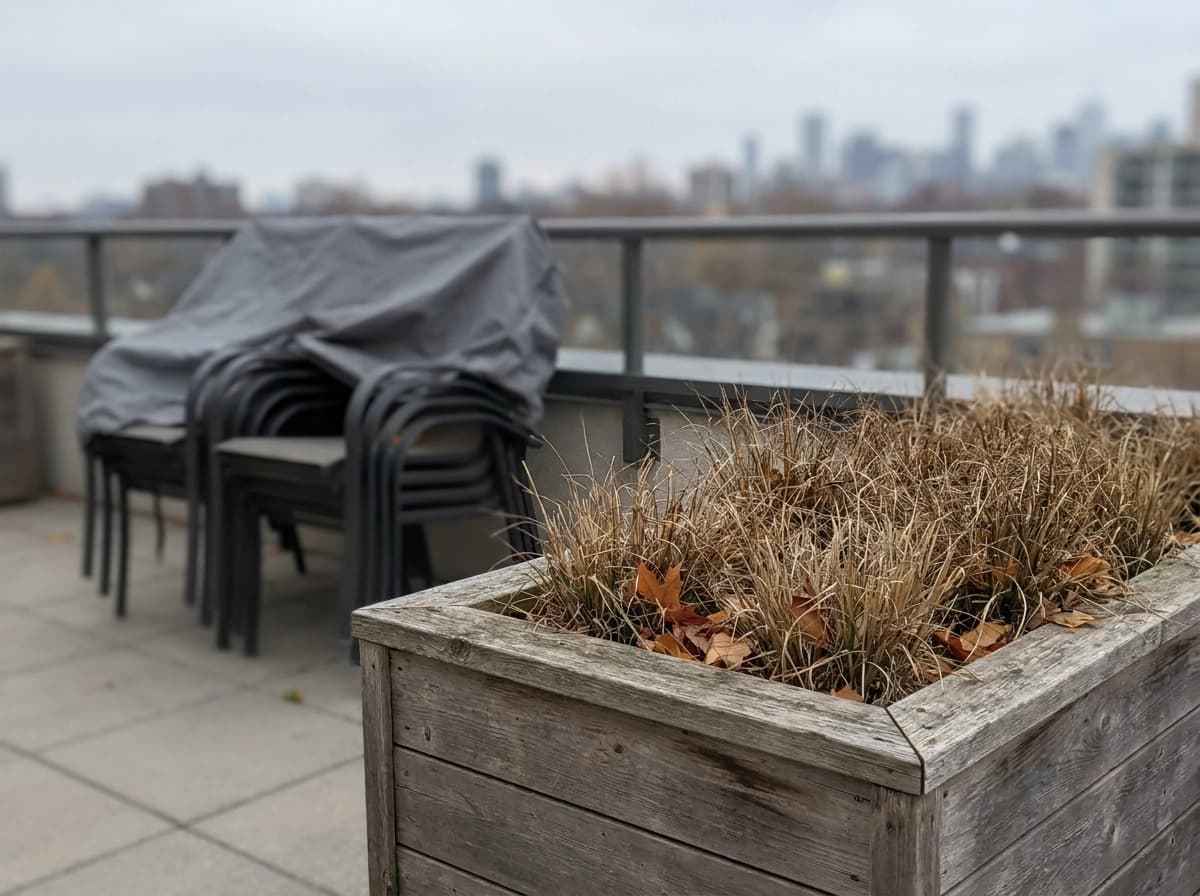
Four practical infrastructure tiers to understand:
- Fully open-air: summer only, typically May to September
- Heat lamp or propane patio: extends to late October or early November in mild years
- Enclosed or retractable-roof structure: accessible through late fall and into winter
- Panoramic indoor dining at rooftop level: genuinely year-round
At height, a 10°C evening in October can feel several degrees colder, making heat infrastructure far more consequential than most guides acknowledge. Destination Toronto actively curates heated winter patio listings each season, a clear signal that many diners book without confirming what's actually in place.
These tiers also relate to how kitchens operate year-round. The exhaust and ventilation systems behind compliant commercial kitchens are part of what makes consistent service possible at height through colder months, something the broader pressures facing downtown Toronto restaurants in 2026 make increasingly important to get right.
Toronto Rooftop Dining: Quick Seasonal Reference
Here is how the featured venues in this guide stack up across the year.
Summer (June to August): Every venue covered below is fully operational. Outdoor terraces are open, food and bar programs run at full scope, and reservations are most competitive. Book well ahead for weekend evenings, especially during major festival periods in July and August.
Shoulder seasons (April to May and September to October): Roughly half the venues keep outdoor access going with heat lamp or propane support. The rest shift to indoor panoramic seating or close the rooftop section entirely. Calling ahead is essential.
Winter (November to March): A smaller group remains worth visiting. AP Restaurant (Yorkville's 51st-floor panoramic interior), Neon Tiger's retractable glass enclosure, and Harriet's winterized heated patio each offer a rooftop-style experience through very different means.
The distinction that matters most: "Year-round" means something different depending on the venue. At AP Restaurant, the outdoor element is replaced by a purpose-designed indoor panoramic space; at Harriet's, some genuine outdoor exposure is preserved even in winter. These are not equivalent experiences. Knowing which type you are booking is the whole point of this guide. Operators curious about what keeps Yorkville's high-volume kitchens running through all seasons can find more context in this overview of hood cleaning compliance for Yorkville restaurant operators.
AP Restaurant, Yorkville (51st Floor, Manulife Centre)
At 51 floors up in the Manulife Centre, AP Restaurant is among the highest dining rooms in the city. On a clear day, views sweep across Midtown and well into downtown Toronto, putting it in a different category from most rooftop venues.
Seasonal setup: Two outdoor terraces open during warmer months, in line with Toronto's core patio window. When temperatures drop, the panoramic interior lounge operates year-round with no weather-dependent closures, making AP one of the few spots on this list where the elevated skyline view is available in any month.
The interior is not a consolation prize. Floor-to-ceiling windows frame the same skyline as the terraces. In winter, the experience is qualitatively closer to summer rooftop dining than most heated patios deliver because the height and view are fully preserved.
Food and atmosphere sit firmly in the upscale range, fitting Yorkville's character. The menu covers elevated cocktails, small plates, and a full dinner program. The view earns the visit, but the kitchen holds its own independently. For diners exploring Toronto's higher-end scene, this pairs naturally with the Michelin Star Restaurants Toronto: The 2025 Complete Guide for context on the city's top-tier culinary options.
Booking: Outdoor terrace spots move quickly in July and August, especially weekend evenings. Reserve well ahead. Indoor panoramic seating has more availability year-round but still fills on event nights, so advance booking is worthwhile regardless of season.
Harriet's Rooftop, 1 Hotel Toronto (Wellington St W)
For a more relaxed contrast to AP's upscale Yorkville setting, Harriet's offers a social, lounge-forward rooftop in the Entertainment District atop 1 Hotel Toronto on Wellington Street West.
Summer is where Harriet's really shines. The format centres on a pool terrace with cabanas and an outdoor bar, drawing a mix of hotel guests and walk-ins. The vibe is easygoing rather than fine-dining focused, which makes it one of the more approachable rooftop options in the city if a polished sit-down dinner isn't the goal.
Winter is a different setup entirely. Harriet's transitions to a heated patio with wind barriers alongside interior seating, so some outdoor exposure is preserved even in colder months. Critically, this is a heated patio, not a full enclosure. If you're visiting in January, dress for it.
One thing that carries across both seasons is the design. The natural materials, planting, and lighting tied to 1 Hotel's sustainability focus don't disappear when the pool closes; the space holds its character off-season rather than feeling like a bare-bones version of itself.
Shoulder seasons are the one firm caveat here. The shift between summer and winter configurations doesn't happen on a fixed date. If you're planning a visit in October or March, call ahead specifically to ask what the current outdoor setup looks like before booking based on warm-weather photos.
More Rooftop Restaurants Worth Knowing in Downtown Toronto
Here are five downtown Toronto rooftop restaurants worth adding to your list, each with a different seasonal profile.
Lavelle (627 King St W) is one of the most photographed rooftop spots in the city, with a pool terrace above King West. Outdoor access typically runs May through October; the indoor component stays open but the rooftop deck closes for the season.
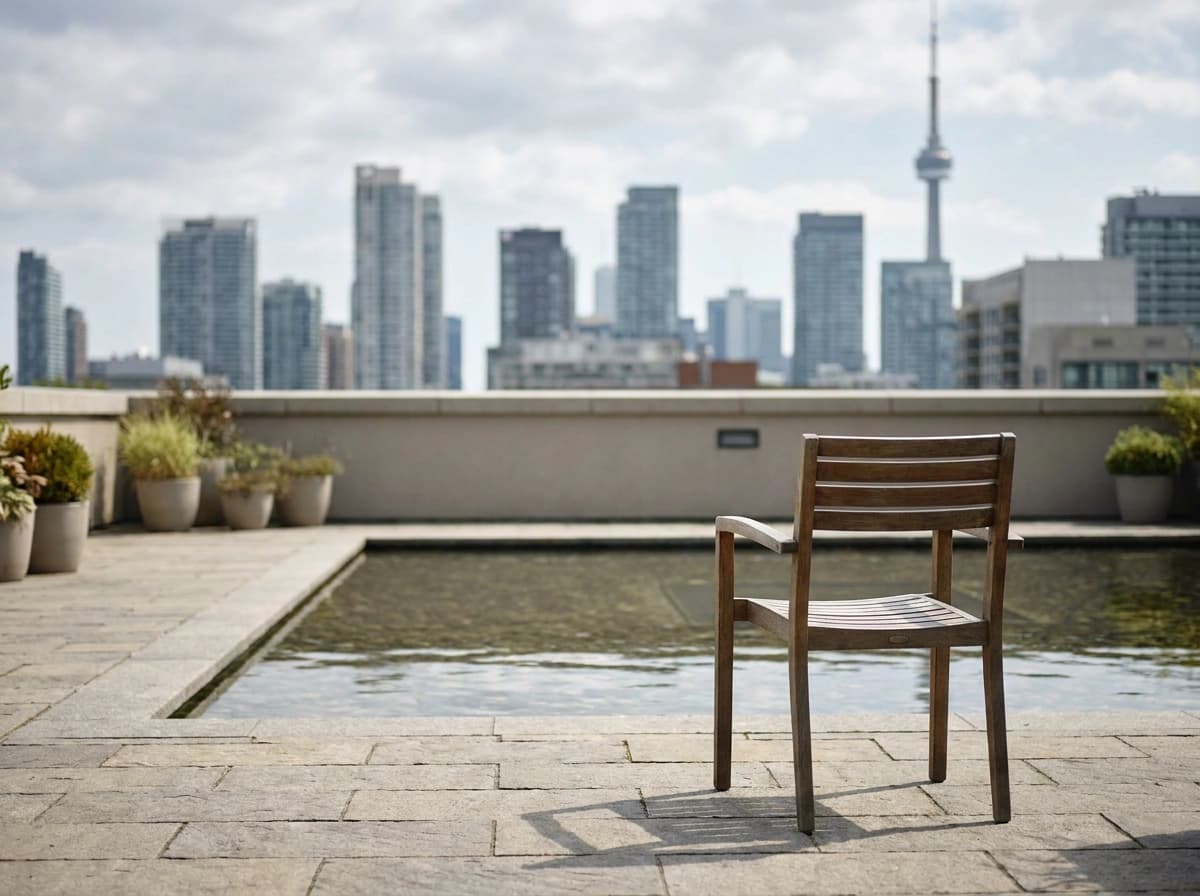
Kost (Bisha Hotel, 80 Blue Jays Way) brings a Miami-influenced aesthetic to the Entertainment District. Outdoor access is concentrated in summer, but an indoor dining room at the same level keeps it a viable year-round destination. The cocktail program is a genuine draw alongside the food.
Neon Tiger (60 Colborne St, near St Lawrence Market) is one of the stronger winter options downtown. A retractable glass enclosure preserves natural light and city views in colder months, making this feel like genuine rooftop dining rather than an interior fallback.
Bar Reyna Rooftop (158 Cumberland St, Yorkville) delivers on food quality and neighbourhood atmosphere but operates seasonally, typically closing by late October with no winterized setup.
Broadview Hotel Rooftop (106 Broadview Ave) offers 360-degree views stretching from Leslieville to downtown, with interior bar access year-round. The east-end location draws a noticeably different crowd from King West and Yorkville venues. For a sense of how deep the city's above-ground hospitality ecosystem runs, we know the city above Toronto ecosystem well beyond the downtown core.
Toronto Restaurants With a View: When the Food Matches the Scenery
Knowing which rooftop venues are worth visiting is one thing; knowing whether you're booking a dinner destination or a drinks-and-grazing night out is another.
Not every Toronto rooftop pairs a serious culinary program with the elevated setting. Some prioritize atmosphere and social format, where food plays a supporting role. That distinction matters if you're planning a proper dinner rather than cocktails and shared plates.
Where food matches the setting: AP Restaurant and Kost both run full dinner menus with kitchen output that would hold up as standalone dining experiences, view aside. If the meal itself matters as much as the scenery, these are the stronger choices among the restaurant types we serve across the city.
Where the format is drinks-first: Harriet's and Lavelle are better understood as social lounge destinations. Food is available and enjoyable, but the evening is built around the bar program and atmosphere. That's a format choice, not a flaw; just plan accordingly.
The Broadview exception: The Broadview Hotel rooftop delivers genuine view value with a neighbourhood bar feel that's noticeably less tourist-oriented than King West or Yorkville equivalents. A reliable choice for relaxed outdoor dining without the downtown buzz.
One practical note: if you're visiting in fall or early spring, check recent reviews specifically for kitchen consistency. Some venues scale back menu scope or kitchen hours when rooftop traffic drops, and that pattern rarely shows up in the venue's own listing.
Shoulder Season Planning: What to Expect in October and April
Speaking of kitchen hours going quiet in fall, that pattern starts exactly here: October and April are the two months where rooftop plans most often go sideways.
October catches people off guard more than any other month. Many venues still have outdoor access in early October, but rooftop sections can close by mid-month without any announcement on the website. There is no industry-wide cutoff date; each venue decides independently based on bookings, weather, and staffing.
April runs the same gamble in reverse. Warmer years see some rooftops open in late April, while others hold until the Victoria Day long weekend in May as a practical signal that the season is reliably underway. If you are planning an April visit, treat that weekend as the safer baseline.
Heat lamps and propane heaters genuinely help. On a calm evening, they make temperatures around 5 to 8 degrees Celsius feel manageable outdoors. Full enclosures extend that comfort range further. But wind cancels most of that benefit quickly. A rooftop facing westerly winds at 10 degrees can feel brutal, while a sheltered terrace at the same temperature stays pleasant.
The single most useful thing you can do in either month: call the venue directly. Ask whether the outdoor terrace is currently open, what heating is in place, and whether the kitchen is running the full menu. Websites lag behind reality in shoulder season, often by weeks.
Winter Rooftop Dining in Toronto: What Is Actually Worth It
Once you move past the shoulder months, winter rooftop dining in Toronto is a short list, and the gap between venues genuinely worth it and venues merely open comes down to one thing: whether the enclosure preserves the experience or just preserves your body heat.
Full glass enclosures and retractable roof systems sit at the top of that list. Neon Tiger's retractable glass setup gives you natural light, visible skyline, and the sensation of being above the city in January. That is meaningfully different from eating inside a tall building. The view is framed by the structure rather than replaced by it.
Heated patio setups, like Harriet's winterized configuration, are worth booking if outdoor exposure is specifically what you want. Dress for it. A heated patio with wind barriers is not a summer terrace; it is a cold-weather experience with warmth assistance.
AP Restaurant's panoramic interior is a third category entirely. No outdoor access in winter, but the 51st-floor view is uninterrupted and the dining environment fully comfortable. For a winter occasion where elevated perspective is the point, it is the most reliable choice.
Consistent year-round service depends on back-of-house investment, not just guest-facing heaters. Kitchens running full menus through winter rely on ventilation and exhaust infrastructure built for continuous operation. You can explore how commercial kitchen maintenance connects to year-round performance. Venues that have made that investment show it in service consistency, not just open signage.
Practical Tips Before You Book a Rooftop Table in Toronto
Knowing which venues stay open is only half the equation. Getting the booking right matters just as much.
Call the venue directly between September and May before reserving. Website photos are almost always taken in July and show a full summer terrace that may currently be closed, partially open, or reconfigured.
Rooftop seating is reservation-only at every named venue in this guide. Walk-in access exists only for earlier weekday slots in July and August. On a Friday or Saturday evening in peak summer, expecting to walk up and get a rooftop table is unrealistic.
Book the 6 to 8 pm window in summer. Golden-hour light is at its best then, and darkness arrives well after 8 pm in June and July. Sunset times shift by nearly two hours across the season, so check your date and book to land outdoors 30 to 45 minutes before it.
At high-altitude venues like AP Restaurant, haze cuts view range noticeably. Ask for a table on the side facing the view direction that matters most to you.
Group bookings at poolside and lounge-format venues typically require a minimum spend commitment. Confirm the minimum, the gratuity structure, and whether outdoor seating is guaranteed or subject to a weather substitution before your group commits.
If you are curious how venue format and cuisine type affect back-of-house compliance, the breakdown of Mississauga restaurants and hood cleaning compliance by cuisine type covers that ground for Ontario operators.
Plan the Visit Around the Season, Not the Other Way Around
All of that booking advice comes down to one underlying principle: choose your venue based on infrastructure, not Instagram photos.
For year-round rooftop access, AP Restaurant and Neon Tiger are the strongest choices. For peak summer atmosphere, Lavelle, Kost, and Harriet's deliver exactly what makes Toronto rooftop dining worth doing. If your target month falls outside June through August, use enclosure type as your filter first, venue name second.
During shoulder months, specifically October and April, call ahead before booking. Ask whether the outdoor section is currently open and whether the kitchen is running the full menu. Static online listings rarely reflect real-time seasonal changes.
The venues that stay reliably open through winter share something beyond heated patios: they have invested in the full infrastructure stack, from guest-facing enclosures down to the back-of-house ventilation and exhaust systems that keep a high-volume kitchen running at height in any season. Power Hoods Systems works with commercial kitchens across Toronto on exactly that side of the operation, maintaining the hood and exhaust systems that make year-round rooftop cooking possible and code-compliant.
Bookmark this guide for seasonal updates. A direct call to the venue will always be more accurate than any static source when you are planning a visit outside of summer.
Conclusion
Toronto's rooftop dining scene rewards those who plan with intention. The core takeaways are straightforward: peak season runs June through August; enclosure type matters more than venue reputation when booking outside summer; shoulder months require a direct call to confirm availability; and year-round options like AP Restaurant and Neon Tiger exist precisely because the full infrastructure, including ventilation and exhaust systems, supports them.
The difference between a memorable rooftop dinner and a disappointing one often comes down to a single phone call made before booking.
Use this guide as your seasonal filter, return to it when your travel dates shift, and share it with anyone planning a Toronto visit. The city's skyline is worth seeing from above. Choosing the right venue, at the right time of year, is what makes that view part of a genuinely great meal.
FAQS
What is Toronto's peak rooftop dining season?
Toronto's core outdoor patio season runs from May through September, with peak conditions in July and August. During this time, all featured venues are fully operational with outdoor terraces open and complete food and bar programs available. Weekend reservations during major festival periods in July and August are especially competitive, so booking well ahead is essential.
Can I find good rooftop dining options in Toronto during winter?
Yes, but your options are limited. The strongest winter choices include AP Restaurant (with its panoramic 51st-floor interior), Neon Tiger (featuring a retractable glass enclosure), and Harriet's (with a heated patio and wind barriers). Each offers a genuinely worthwhile rooftop-style experience, though they work very differently. AP provides uninterrupted views with full comfort, Neon Tiger preserves natural light and city views, and Harriet's offers outdoor exposure with heating assistance.
What's the best way to plan a rooftop visit in October or April?
October and April are the riskiest months for rooftop dining because there is no industry-wide cutoff date—each venue decides independently when to close their outdoor sections based on bookings, weather, and staffing. Website information often lags by weeks. The single most useful step is to call the venue directly and ask whether the outdoor terrace is currently open, what heating is in place, and whether the full menu is available. Treat the Victoria Day long weekend in May as the safer baseline for April visits.
Which Toronto rooftop restaurants have the best food quality to match their views?
AP Restaurant and Kost both run full dinner menus with kitchen output that would stand as compelling dining experiences regardless of the view. If the meal itself is as important as the scenery, these are the stronger choices. In contrast, Harriet's and Lavelle are better understood as social lounge destinations where the bar program and atmosphere are priorities and food plays a supporting role. The Broadview Hotel offers genuine view value with reliable food in a neighborhood bar atmosphere that's less tourist-oriented than King West or Yorkville venues.
Why do some rooftop restaurants stay open year-round while others close seasonally?
Year-round operation depends on infrastructure investment, not just guest-facing heaters. Venues that remain open year-round have invested in the full infrastructure stack, from enclosures (fully glass-walled, retractable roofs, or heated patios) down to back-of-house ventilation and exhaust systems that keep high-volume kitchens code-compliant and functioning properly at height in any season. Venues with only open-air terraces or basic heat lamps typically close once temperatures drop, as they lack the necessary infrastructure to operate safely and comfortably through winter months.