
Hamilton has a habit of surprising people. For years, it played second fiddle to Toronto, written off as a gritty industrial city with little to offer beyond the steel mills. But anyone who has actually walked James Street North, browsed the indie shops on Locke Street, or pulled up a stool in one of the warehouse district's gastropubs knows the truth. Hamilton's food scene has arrived, and it is not slowing down.
If you are searching for the best restaurants in Hamilton, you are in the right place. This guide breaks the city down into its most rewarding dining corridors so you can stop guessing and start eating well. We will cover the anchor restaurants on James Street North, the charming neighbourhood spots on Locke Street, the industrial-cool gastropubs in the warehouse district, and everything in between. You will also get practical advice on how to plan your visit by occasion, a straight comparison with Toronto dining costs, and our top picks across every category. Whether you are a local looking for somewhere new or a visitor making your first trip, Hamilton's table is set and ready for you.
Why Hamilton Belongs on Any GTA Dining Shortlist
Hamilton used to be a punchline in GTA dining conversations. That time has passed.
The Steel City has quietly built one of the most interesting restaurant scenes in Ontario, drawing diners from Toronto, Mississauga, and beyond. Many visitors report finding comparable quality at more accessible price points than they expected. Tasting menus, serious steak programs, craft beverage lists, the quality is there, and the bill at the end of the night reflects Hamilton's cost structure, not King Street West's.
Part of what makes the scene work is geography. Hamilton's best dining is clustered into three walkable corridors: James Street North, Locke Street, and the warehouse district. That concentration matters practically. A single evening can move from cocktails to a full dinner to dessert within a compact, walkable footprint. For visitors used to the logistical sprawl of a Toronto dining night, that is a genuine advantage.
The scene also has depth that newer food districts simply do not have. Locke Street's hospitality identity stretches back to the mid-1800s, with taverns and hotels operating continuously since that period. That history produces a lived-in character you cannot manufacture from scratch, which is part of why the corridor keeps bouncing back every time a concept closes and a new operator moves in.
Understanding those three corridors is the single most useful thing you can do before choosing where to eat in Hamilton. James Street North anchors the experiential and special-occasion tier. Locke Street runs from neighbourhood cafés through casual evening dining. The warehouse district fills the gastropub and group-dinner category. Each one serves a different occasion, and together they cover the full range of what makes Hamilton competitive among the best restaurant destinations across the GTA.
The sections below move corridor by corridor, with specific restaurant recommendations at each stop.
James Street North: The Anchor Corridor
Of Hamilton's three main corridors, James Street North is the one with the deepest roots. It has been the city's arts and culture hub long enough that galleries, independent studios, and restaurants have grown up alongside each other, producing a walkable block format that genuinely rewards an unhurried evening. The street is well known for its vibrant gallery scene and independent businesses, and the monthly Art Crawl has become one of the most prominent free public art events in the region. That cultural infrastructure is not just background scenery; it creates a natural pre-dinner or post-dinner itinerary that Toronto's more segmented dining strips rarely replicate at the same density.
The Standard: Where Dinner Becomes an Event
The anchor for experiential dining on the corridor is The Standard on James St N. The format here goes well beyond a conventional dinner reservation. Multi-course tasting menus, a chef's table blind-tasting option that puts creative trust entirely in the kitchen, and themed beer dinners, including Oktoberfest pairings, reframe the meal as a programmed event rather than a transaction. That kind of curated calendar drives repeat visits; guests come back for the next pairing concept, not just when they need a table.
The programming also locks in James Street North as a legitimate date-night and special-occasion destination, not just a pleasant neighbourhood strip. And the price-to-experience ratio is a real advantage: many visitors report that tasting-menu calibre dining here comes in well below what equivalent programming costs at comparable Toronto venues, giving you the full curated evening without the downtown Toronto bill attached to it.
Spotlight: The Standard and the Rise of Experiential Dining in Hamilton
The Standard is worth a closer look because it captures exactly what makes the James Street North corridor worth the trip.
The restaurant's chef's table Carte Blanche experience runs Friday and Saturday evenings as a blind tasting: no menu, no decisions, just the kitchen doing what it wants with your full trust. That format removes what food writers sometimes call "menu anxiety" and replaces it with genuine surprise. It also travels well by word of mouth, since guests come back describing the meal as an event rather than a dinner.
As noted above, The Standard also runs themed beer dinners with curated pairings that extend its calendar meaningfully, turning occasional visitors into regulars who return for the next iteration rather than filing the place under "been there."
What broadens The Standard's appeal further is its daypart range. Brunch, lunch, dinner, and dessert service are all on the programme, which means the restaurant is not competing only in the crowded Saturday-night reservation window. That flexibility increases how often it fits into a real itinerary, whether you are visiting Hamilton for a full day or catching a midday meal on a weekday.
For GTA diners weighing Hamilton against Toronto, The Standard is the single most efficient counter-argument: a chef's table format that holds its own against established Toronto tasting-menu venues, with none of the downtown Toronto markup.
If you need one venue to convince a sceptic that Hamilton belongs in the GTA dining conversation, book this one first.
Locke Street: Neighbourhood Dining With Staying Power
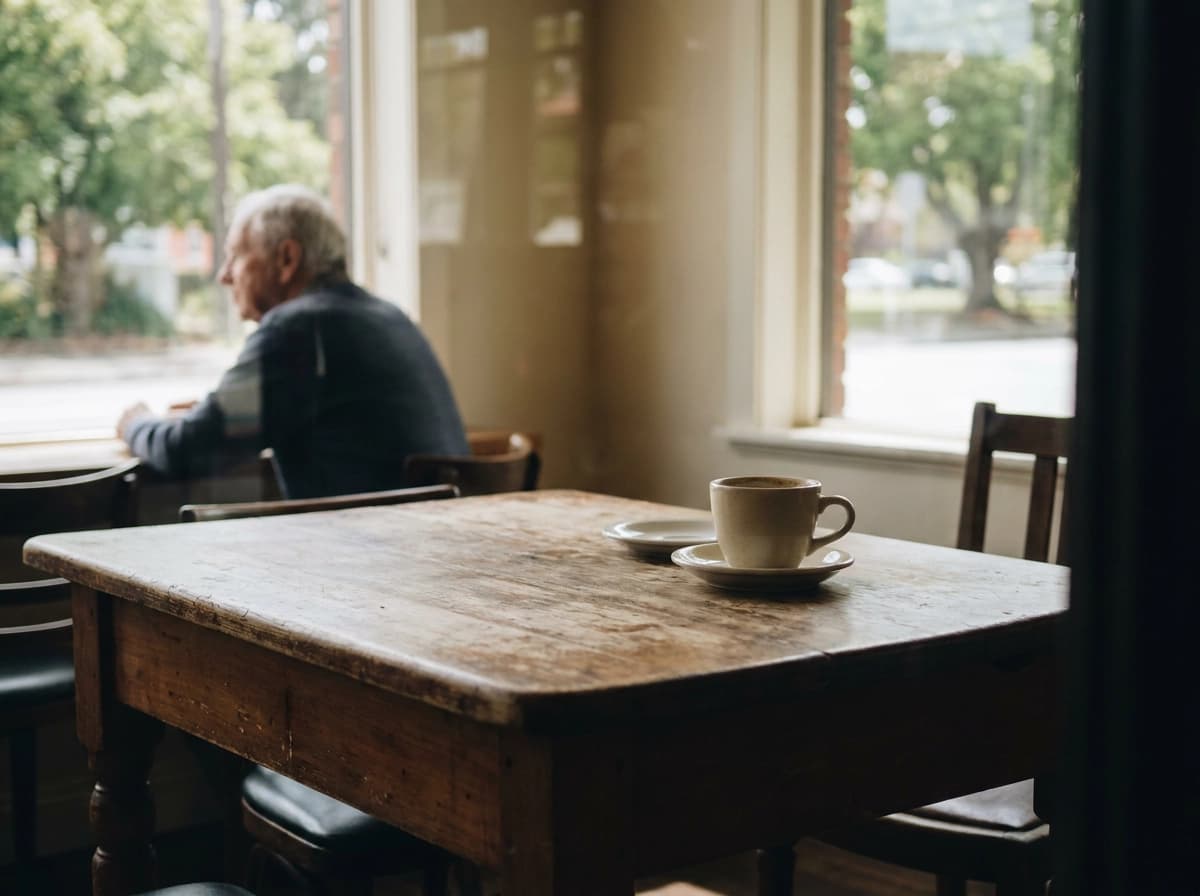
If James Street North is where Hamilton goes to make a night of it, Locke Street is where the city actually lives.
The street's hospitality roots run deep. Historical records suggest a tavern, bar, or hotel on the corner of Locke and King Street West going back to the mid-1800s, making this one of Ontario's longer-running dining corridors. That history matters because it explains something the numbers confirm: over a dozen eateries have closed on Locke Street in recent decades, yet vacant spaces fill quickly rather than sitting dark. New operators move in, concepts refresh, and the street's overall dining density holds. That is not the pattern you see in declining retail corridors across Ontario, where empty storefronts tend to stay empty.
What keeps Locke Street functional through that turnover is the absence of chains. The corridor is notably dominated by independent, owner-operated concepts, which means every restaurant reflects a specific set of choices by a specific person. The result is more varied and more interesting than comparably sized strips in the GTA, where franchise formats tend to crowd out personality.
During the day, cafés anchor the street and set its tone. For visitors new to Hamilton's food scene, this is the gentlest entry point: good coffee, no reservation required, and enough independent retail nearby to build a casual morning-to-afternoon itinerary. It is the kind of neighbourhood feel that is harder to manufacture than it looks, and worth experiencing before you move on to dinner.
Evening on Locke Street shifts toward mid-range independents with genuine local regulars. It is not trying to compete with The Standard's tasting-menu format or the warehouse district's gastropub energy. It occupies its own lane: accessible, consistent, and genuinely neighbourhood in a way that is increasingly rare.
Cafés and Casual Eats on Locke Street
That resilience and independent character the corridor is known for shows up most clearly during the day, when Locke Street's café culture takes over.
What stands out is how many of these independents operate across multiple dayparts rather than locking into dinner-only service. A spot that opens at 7:00 a.m. for espresso and avocado toast might still be running a lunch menu at 2:00 p.m. That flexibility is practical for visitors, and it reflects a broader Hamilton habit: independent operators here tend to diversify across the day rather than concentrate everything into a single evening rush.
Local sourcing signals are visible on a lot of these café menus, even at the casual end of the price range. Locally roasted beans, regional dairy, and seasonal baking ingredients turn up regularly. That is the same supply-chain transparency narrative you will find at Hamilton's higher-end dining spots; it just shows up here on a $6 latte rather than a tasting menu.
The cafés also anchor the surrounding retail cluster. Locke Street's food operators sit alongside independent bookshops, home goods stores, and boutiques in a walkable stretch that fills a morning or afternoon naturally without planning. Coffee, a browse, a light lunch, and back for another coffee is a reasonable itinerary, not an ambitious one.
The Warehouse District: Gastropubs and the Industrial Dining Experience
Once you have spent a morning on Locke Street, the warehouse district feels like a natural next move. The energy shifts, the architecture changes, and so does the format.
Hamilton's warehouse district is a genuinely distinct category in the city's dining scene, and that distinction matters. Most GTA cities serve up some version of the same neighbourhood strip: ground-floor retail, café at one end, a few mid-range independents in the middle. The warehouse district breaks that pattern entirely. Gastropubs here occupy converted industrial and warehouse buildings, and the spaces themselves are part of what you are paying for. Exposed brick, high ceilings, heavy timber, repurposed structural elements - the industrial bones of these buildings are not dressed up or disguised. They fit Hamilton's manufacturing history without feeling like a theme park version of it.
The gastropub format that dominates this corridor sits squarely between Locke Street's neighbourhood independents and the experiential tasting-menu tier on James Street North. Expect elevated bar food, solid kitchen execution, and a casual-but-quality approach that does not require you to commit to a three-hour multi-course event. It is exactly the category gap Hamilton needed, and this corridor fills it well.
Beer programming is where the warehouse district particularly earns its reputation. Hamilton sits close enough to Southern Ontario's dense craft brewery network that tap lists here stay current and genuinely well-curated. The selection holds its own against King West or Ossington venues in Toronto, and the pricing reflects the Hamilton advantage. The same craft-forward approach that defines Southern Ontario's broader hospitality scene shows up clearly in how seriously these venues treat their beer programs.
For groups, this is the practical recommendation. The relaxed format, the shared-plate sensibility, and the general absence of reservation pressure make the warehouse district the easiest corridor to land a larger party without the formality a tasting-menu venue requires.
Steak and Seafood Done Right: Victoria's and Hamilton's Quality-Sourcing Commitment
If the gastropubs suit a casual night out, Victoria's Steak and Seafood at 470 King St W is where you go when the occasion calls for something more deliberate.
Victoria's has operated under its current ownership since 2020, and that transition matters. Rather than closing an existing concept, new ownership reinvested in it, a choice that signals genuine confidence in Hamilton's dining future. The steak program reflects that investment directly: the menu features Canadian Prime cuts, Japanese A5 Wagyu, and bone-in steaks sourced with attention to genetics, husbandry, and supply-chain consistency. Fresh oysters, seafood towers, and preparations like pan-seared scallops and sablefish round out the offering.
What sets Victoria's apart is not just what is on the plate but how that story gets told. Provenance is part of the menu here, not a footnote. That approach mirrors a broader shift happening across Hamilton's best restaurants, where operators are treating sourcing transparency as a selling point rather than background detail.
The value argument is equally straightforward. Toronto's established steakhouse corridor delivers comparable quality, but many visitors report that Hamilton's lower overhead translates to a more accessible total at the end of the evening. Victoria's DiRoNA recognition confirms it meets a recognised quality standard, while the experience does not carry the same price premium as comparable downtown Toronto venues. For GTA diners, that difference is noticeable at the end of the evening.
For anyone building a Hamilton dining itinerary around a classic steakhouse experience, Victoria's consolidates the quality-sourcing credentials and the value case in a single booking. It is also a useful illustration of the corridor confidence driving Hamilton's dining reputation generally; operators are choosing to build here, not just hold on.
Hamilton restaurant owners curious about the operational standards that underpin venues like this can find answers to common questions from Hamilton restaurant owners about commercial kitchen maintenance and compliance.
How to Plan Your Hamilton Dining Itinerary by Occasion
Once you know the corridors, matching them to your occasion is straightforward. Here is how each one plays out in practice.
For a date night or special occasion, head to James Street North. The Standard's chef's table blind-tasting format hands the evening over to the kitchen, and the multi-course structure with beverage pairings creates exactly the kind of unhurried, event-style dinner that Toronto tasting-menu venues charge considerably more for. Book ahead for Friday and Saturday chef's table seatings.
For a casual group dinner or after-work gathering, the warehouse district gastropubs are the easier call. The format is relaxed, the craft beer lists are genuinely deep, and the elevated bar menus hold up well for larger groups without requiring the commitment of a structured reservation. No one feels underdressed, and the bill stays manageable.
For neighbourhood exploration and daytime eating, start on Locke Street. The café and casual dining strip is the most approachable entry point for first-time visitors, with a walkable morning-to-afternoon flow that introduces Hamilton's independent dining character before you commit to a dinner plan. If you are newer to the city's food scene, this is where you get your bearings.
For a quality-first steakhouse evening, Victoria's at 470 King St W is the booking, as covered in the previous section.
For a full-day Hamilton itinerary from the GTA, the sequence is simple. Coffee and a casual lunch on Locke Street, late-afternoon drinks in the warehouse district, then dinner on James Street North or at Victoria's. All three corridors, one visit, no car required between stops.
Hamilton vs. Toronto: What Your Dining Dollar Actually Buys
As outlined above, Hamilton's cost structure gives diners a genuine price advantage over comparable Toronto nights out. That gap is sharpest at the top end, and it extends into the practical details of the evening itself.
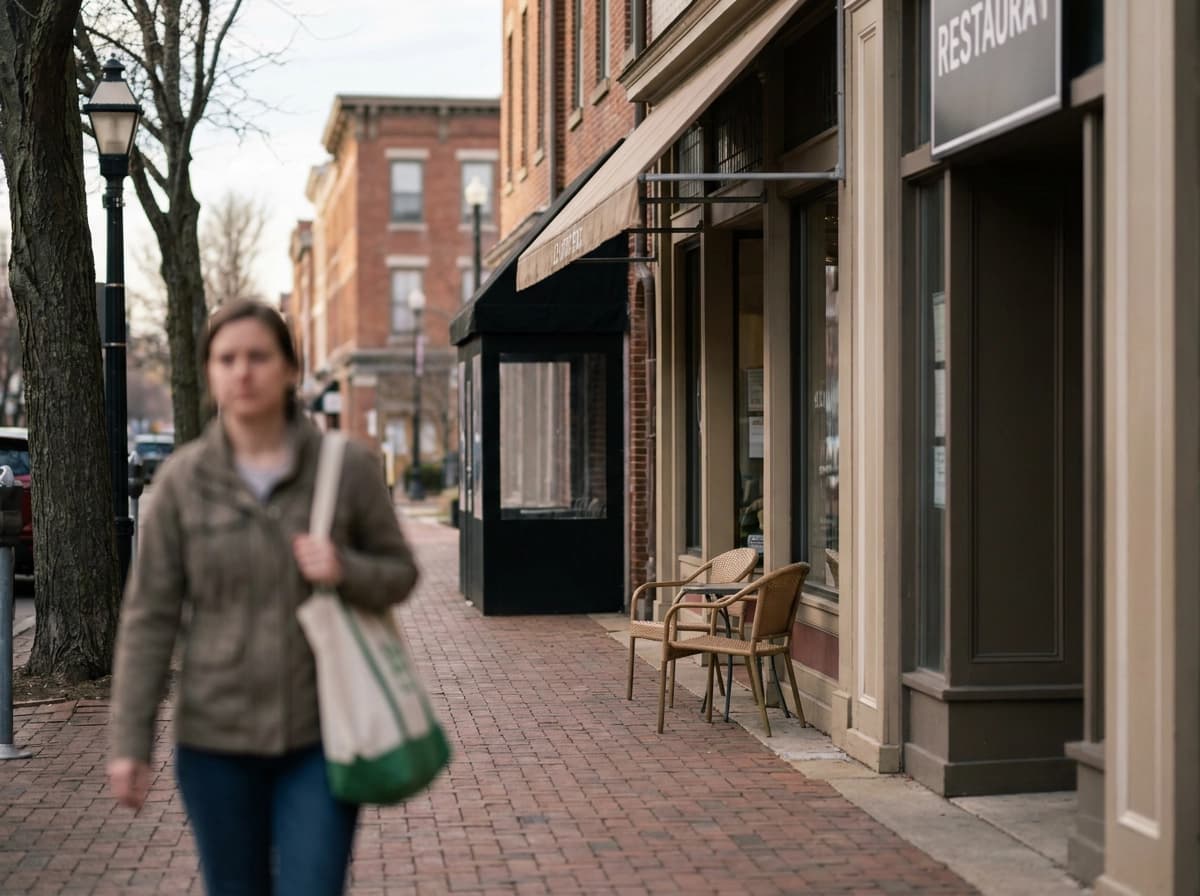
Walkability is a practical cost advantage that rarely gets mentioned. Hamilton's three main corridors sit close enough together that a full evening of cocktails, dinner, and dessert does not require a ride-share or a parking garage. In Toronto, those incidentals add up before you have ordered anything. In Hamilton, you walk.
The absence of chain dining across the key corridors matters too. When you spend money at an independent kitchen, the margins fund sourcing, staffing, and culinary programming rather than franchise fees or head-office targets. The dining dollar does more.
For diners who have already worked through Toronto's standard dining circuit, Hamilton offers genuine discovery value: kitchens operating at a high level, without the hype markup, and without the crowd that follows once hype arrives.
A Note on What Makes a Great Restaurant Kitchen
That value gap between Hamilton and Toronto is driven by price, but price is only one side of the dining equation. The other side is kitchen discipline, and it is worth a brief mention before you book your table.
The best restaurants in Hamilton, like the best restaurants anywhere, share an operational foundation that has nothing to do with the menu: clean, well-maintained commercial kitchen infrastructure. The sourcing narratives, the chef's table experiences, the craft beer programs, all of it depends on a back-of-house that is held to the same standard as the front.
Hood and exhaust systems are one of the clearest signals of that discipline. Grease accumulation in kitchen exhaust systems is a direct fire risk, and NFPA 96 is the North American standard for commercial cooking ventilation that sets the compliance benchmark serious operators follow. It is not aspirational guidance; it is the floor. Restaurants that treat scheduled hood cleaning as non-negotiable are, practically speaking, demonstrating the same operational seriousness they apply to their food sourcing.
Power Hoods Systems has been part of Hamilton's commercial kitchen supply chain since 1993, supporting restaurants, hotels, and high-volume kitchens across the city as part of its Ontario-wide service network. With over 5,000 projects completed and NFPA 96-certified technicians, the company handles everything from standard hood cleaning cycles to high-volume tandoor and wok systems, with overnight and 24/7 emergency scheduling built for operators who cannot afford kitchen downtime.
For restaurant operators in Hamilton and across the GTA, scheduled exhaust maintenance is one of the most practical investments in long-term reputation. The provenance storytelling and experiential programming that define Hamilton's best kitchens are only credible when the infrastructure behind them is maintained to the same standard diners implicitly expect when they choose a reputable venue.
Back-of-house discipline and front-of-house reputation are not separate conversations. They are the same one.
Hamilton's Table Is Set, Here Is Where to Sit Down
All of it comes down to three corridors and one honest question: which one fits your plans tonight?
Locke Street handles daytime best, with its café culture and walkable independents giving first-time visitors a low-pressure introduction to what Hamilton actually feels like. The warehouse district picks up the early-evening shift, where converted industrial spaces and serious craft beer programs create a group-friendly atmosphere that needs no reservation. James Street North, anchored by The Standard's chef's table format, and King Street West, where Victoria's at 470 King St W runs its sourcing-driven steak program, close the night at a quality level that competes directly with the best restaurants in the GTA.
Many visitors find that experiential tasting menus, steakhouse programs built around provenance, and craft-forward gastropubs all come in at more accessible price points here than in Toronto. For GTA diners running the numbers on a night out, Hamilton makes the argument without needing to oversell it.
Come back, though. Corridor reinvestment and new openings mean Hamilton's dining scene looks meaningfully different from one year to the next. It is not a one-time box to check; it is a destination that keeps updating the picture.
Which brings the point home for anyone still on the fence: if your last Hamilton meal was more than a year ago, or if you have never made the trip at all, you are working from an outdated impression. The table is set. Book it.
Conclusion
Hamilton's dining scene has earned its place on any serious GTA food shortlist, and this guide gives you the map to navigate it confidently. Three takeaways are worth holding onto. First, the city's corridors each serve a distinct purpose, from Locke Street's neighbourhood warmth to the warehouse district's industrial energy to James Street North's chef-driven ambition. Second, the value gap between Hamilton and Toronto is real and worth acting on. Third, the scene moves quickly; what impressed you last year has already been joined by something new.
One trip will update your impression. Two will make it a habit. Pick a date, choose your table, and go.
FAQS
What are the three main dining corridors in Hamilton?
Hamilton's three main dining corridors are James Street North (the anchor for experiential and special-occasion dining), Locke Street (neighbourhood dining with daytime cafés and casual evening spots), and the warehouse district (gastropubs and group-friendly venues). These corridors are within walking distance of each other, making it easy to experience multiple venues in a single evening.
How does dining in Hamilton compare to Toronto in terms of price?
Hamilton offers a genuine price advantage over Toronto for comparable quality, particularly at the high end. The cost gap is sharpest for tasting menus and steakhouse experiences. Additionally, Hamilton's walkable corridors eliminate expenses like ride-shares and parking garages that add up in Toronto. Many visitors report finding tasting-menu calibre dining and premium steakhouse experiences at more accessible price points than equivalent Toronto venues.
What should first-time visitors to Hamilton's food scene do?
First-time visitors should start with Locke Street during the daytime. The café culture offers a low-pressure entry point with good coffee, no reservations required, and independent retail nearby for a natural morning-to-afternoon itinerary. This introduces Hamilton's independent dining character before committing to dinner plans. A recommended full-day sequence is: coffee and lunch on Locke Street, late-afternoon drinks in the warehouse district, then dinner on James Street North or at Victoria's.
What makes The Standard on James Street North special?
The Standard offers experiential dining that goes beyond a conventional reservation, featuring multi-course tasting menus and a chef's table 'Carte Blanche' blind-tasting experience (Friday and Saturday evenings). The restaurant also runs themed beer dinners with curated pairings and offers a full range of dayparts from brunch through dessert service. The price-to-experience ratio is notably better than comparable Toronto tasting-menu venues, making it an efficient counter-argument for why Hamilton belongs in GTA dining conversations.
Why should I choose the warehouse district for a group dinner?
The warehouse district is ideal for group dinners because it offers a relaxed gastropub format with no reservation pressure, elevated bar food, shared-plate sensibilities, and serious craft beer programs. The converted industrial and warehouse spaces with exposed brick and high ceilings create distinctive atmosphere without formality. The casual-but-quality approach sits between neighbourhood independents and tasting-menu venues, making it accessible for larger parties while maintaining culinary credibility.